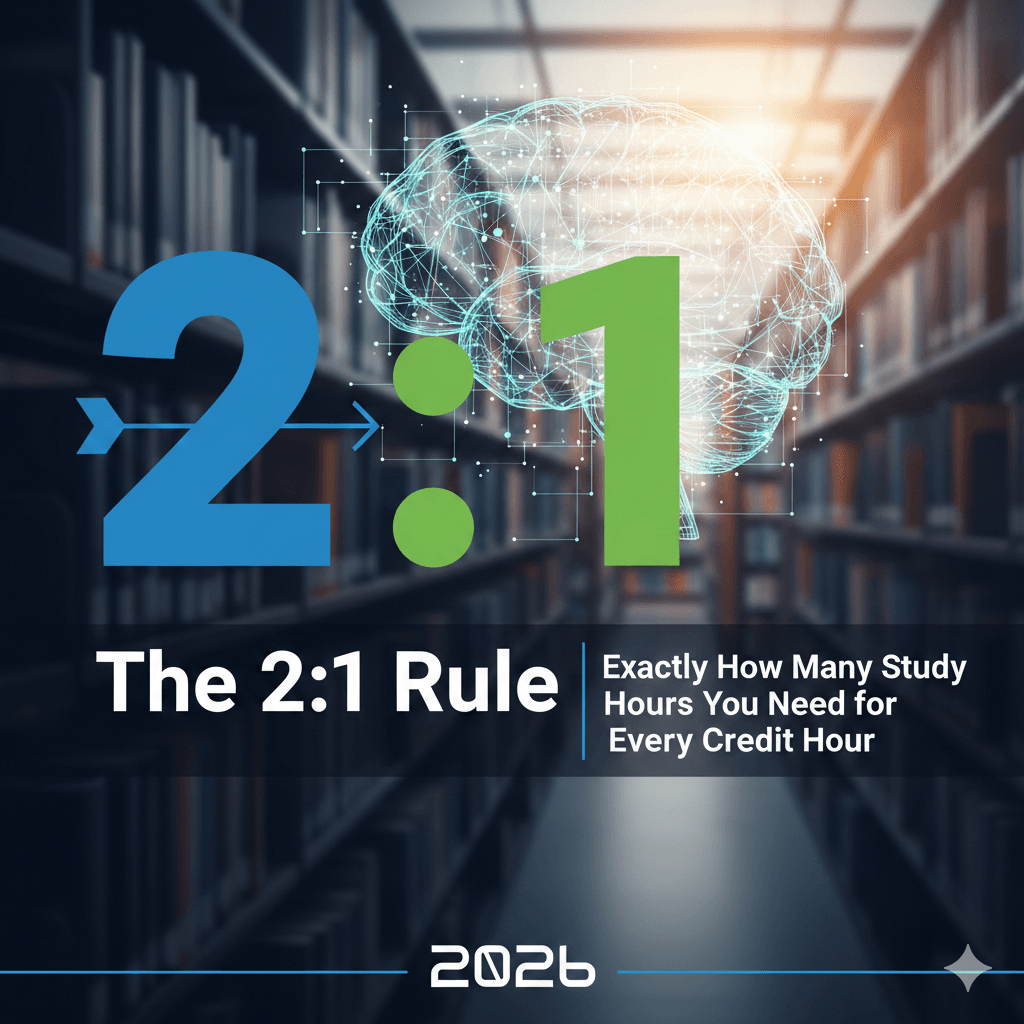
The Rise of a Smarter Tutoring Model
As we move through 2026, a new trend is emerging in the world of academic support: the 2:1 study method.
While 1-on-1 tutoring has long been considered the gold standard, many families are discovering that three is not a crowd—it might actually lead to better learning outcomes.
Parents looking for affordable private tutors are increasingly choosing this model because it blends the focus of private tutoring with the collaboration of group learning.
But what exactly is the 2:1 method, and why is it gaining so much popularity?
1. What is the 2:1 Study Method?
The 2:1 study method (often called semi-private tutoring) involves one professional tutor teaching two students at the same time.
Unlike large classroom-style tutoring sessions where students may struggle to get attention, the 2:1 format keeps sessions highly focused.
Each student still receives significant individual guidance, but the presence of another learner introduces something powerful: collaboration.
This balance between personalization and interaction is what makes the model so effective.
2. The Benefits of the 2:1 Method
Why are so many parents and students shifting toward this approach in 2026?
The benefits of online tutoring in a semi-private setting go far beyond just saving money.
A. Peer-to-Peer Learning and the “Protégé Effect”
When two students work together, they naturally begin explaining ideas to one another.
Educational research shows that teaching someone else is one of the most powerful ways to learn.
This is known as the Protégé Effect.
Instead of simply listening to a tutor, students become active participants who reinforce their own understanding by helping their study partner.
B. Healthy Competition and Motivation
Many middle school and high school students perform better when they are learning alongside a peer.
Seeing another student solve a difficult question or understand a concept can create a natural sense of motivation.
Rather than feeling isolated during a private session, students feel like they are working through challenges together.
This often leads to stronger engagement and improved confidence.
C. Reduced “Helicopter Teaching”
In purely 1-on-1 tutoring sessions, tutors sometimes step in too quickly when a student struggles.
While this can help in the short term, it may prevent students from developing independent problem-solving skills.
In a 2:1 setting, tutors can rotate their attention between students.
While one student receives guidance, the other has the opportunity to think through the problem independently.
This encourages productive struggle, which is a key part of deep learning.
3. Cost Analysis: 2:1 vs. 1-on-1 Tutoring
For many families, the biggest advantage of the 2:1 method is the cost of online tutoring.
Here’s how the two models typically compare.
1-on-1 Tutoring
Average Hourly Rate: $50 – $90
Individual Attention: 100%
Social Interaction: Low
Best For: Intensive support or remediation
2:1 Study Method
Average Hourly Rate: $30 – $50 per student
Individual Attention: Shared between tutor guidance and peer interaction
Social Interaction: High
Best For: General subjects, homework help, and test preparation
By sharing a tutor, families can often save 30% to 50% per session while still benefiting from high-quality instruction.
4. When is 2:1 Better Than 1-on-1?
The 2:1 method works extremely well in many situations, but it is not always the right solution.
Choose 2:1 tutoring if:
- Your child is motivated by peers
- They are studying a standard curriculum (GCSEs, SATs, or similar exams)
- They need confidence and practice rather than intensive remediation
Stick with 1-on-1 tutoring if:
- Your child has large academic gaps
- They require focused behavioral or attention support
- The subject is highly specialized and difficult to match with another student
Choosing the right model depends on the student’s learning style and academic needs.
5. Tips for a Successful 2:1 Tutoring Session
If you are considering a middle school tutor using the 2:1 method, keep these tips in mind.
Pair Students Carefully
Students should be at a similar academic level or working toward the same exam or learning goal.
Use Interactive Learning Tools
The best online tutoring platforms allow shared digital whiteboards, collaborative problem solving, and interactive exercises.
Encourage the “Switch” Technique
Tutors can ask students to review or grade each other’s practice problems.
This builds critical thinking and reinforces understanding.
Get Personalized Help
Match with an expert tutor for your exact curriculum and goals.
Final Verdict
 The 2:1 study method is more than just a cost-saving alternative to private tutoring.
It is a learning strategy that uses peer interaction, motivation, and collaboration to improve academic outcomes.
In 2026, this model represents the perfect middle ground between the focus of private tutoring and the dynamic energy of a classroom.
Pro Tip
If your child has a friend or neighbor in the same math or science class, consider forming a study duo.
Many tutors are happy to offer a discounted 2:1 rate when two students book sessions together consistently."
Published by StudyHours Global Editorial Board